Hello again, y’all. Last time I posted the discussion followed the years 1945 through 1999. In 1999 the world was in relative peace. The Europeans enjoyed the end of the Cold War so much they decided to form the European Union (EU) in 1999 and by 2000 had minted the Euro.
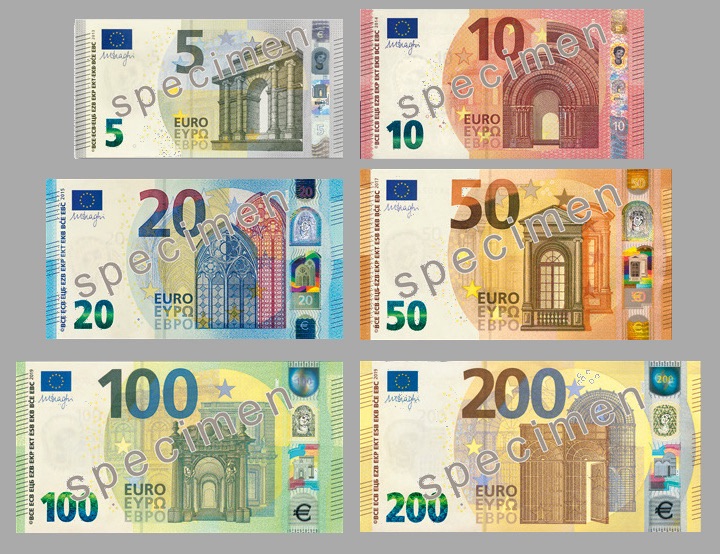
Thanks US for saving us and so now we are going to follow your model and go to a single currency for our continent. Too bad we didn’t actually integrate our society systems, but more on that later.
Meanwhile in the US, the Clinton Administration was on the way out and for a couple hanging chads in Florida, George W. Bush became President of the United States. W. began with many ideas about how to reform our government, but by September of 2001 the US was attacked for only the third time on our land. Terrorists had managed to fly four aircraft into buildings in New York, Washington DC and a fourth was crashed into a field in Pennsylvania before it could reach its intended target.

The world was changed on that day. The old order was under attack and standing armies were replaced by terrorist organizations attempting to bring an end to the western establishments. The United States became on a war footing once again, 56 years post WWII and 28 years after the withdrawal from the Vietnam War. In 2003, the Global War on Terror (GWOT) expanded with the US coalition invasion of Iraq.

Foreign conflict and uncertainty at home put the world economy into a slump. By the mid-2000s the Bush administration and financial institutions attempted to stimulate the economy through the real estate and loan banking system. This caused a boom in home building and then led to the global financial crisis in 2008.

The global financial system almost collapsed entirely, but the US Federal Reserve was able to use modern monetary theory to buy financial assets and float the US and world economy enough to keep from a full blown depression. This now seen as the start of our current cycle into crisis.

With the beginning of the 2010s, the Millennial cohort begins to graduate from high school and college becoming of age. Fortunate for the US, the Millennials are a large generation having children now creating another emerging large generation. In 2011, the Iraq War ends, however the Afghanistan conflict continues.
Barack Obama becomes President of the United States and has an opportunity to unite, but falls short of accomplishing that.
Because of the multiple decades of war spanning, GWOT became the “Forever War“. Millennials begin to fill the workforce and become much more collaborative with thier problem solving. The Baby Boomers begin retiring in mass by mid-2010s. Gen X is slow to gain leadership and is still underrepresented in government and corporate structures.
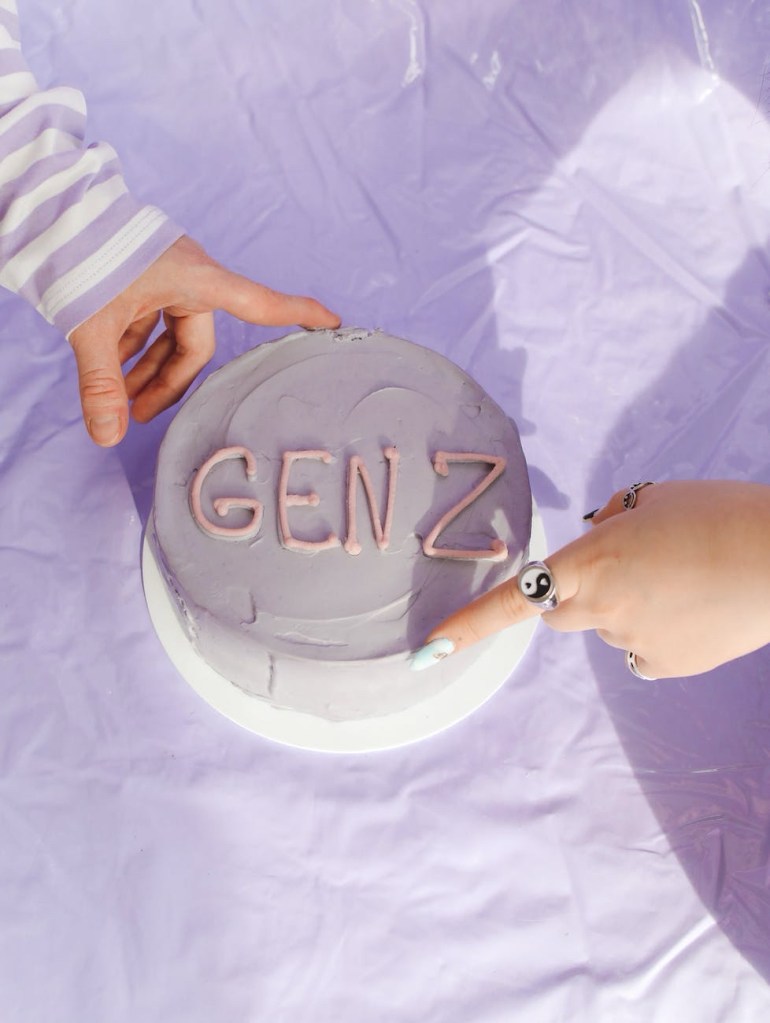
Enter GenZ. A smaller generation much different than the millennials before them. In their youth during the Coronavirus Pandemic moving 100% online through virtual classrooms and staying more introverted, in general. GenZ would rather communicate online and not call someone to talk for social or professional interaction.
From the Trump and Biden Administrations, inflationary pressures and increased public debt is putting strain on many of our old institutions that depended on the large Baby Boomer generation and now is continuing to fund, through debt and deficits, increased social benefit programs. Cryptocurrencies and alternative financial instruments (peer-to-peer, crowdfunding) continue to push against the old systems and ways of doing business. There is no clear resolution, so we collectively attempt to continue knowing something is about to give.
So that takes us pretty much caught up to today, the end of 2023.
Next time – predictions 2024 to 2033. Ten years of turmoil on deck.

 GenX Turns Fifty
Leave a comment